I enjoy visiting New York City, a city famed for its cynicism. In fact, being a New Yorker is largely equated with being a cynic. Cynicism is not confined to one group of people, however. In fact, it often seems that cynicism is culturally celebrated to the point that it is almost considered an art form. In contrast, consider skepticism. Instead of an art, skepticism is at the heart of science. We do not want to believe anything until we have some reason to believe it. This appears to be very similar to the Buddhist view, that you should not believe things just because someone told them to you, but instead to trust your own experience. So what is the difference? Shambhala senior teacher Ethan
Nichtern once gave a
talk that discussed this distinction, which I largely summarize here.

In the Japanese Zen tradition, it is said that there are three pillars of an approach to life that can bring us understanding and balance. The first of these is
dai-gidan, which is often translated as "great doubt." Doubting has immense power. It allows us to remain curious and to consider multiple alternative perspectives. This is deeply important because as soon as we think we understand something, we stop paying attention. We then miss the truth about it because nothing is ever as simple as our minds try to make them. Once we think we think we have the answer, we stop questioning. Once we understand something, we grow bored with it. Consider the example of your family. Perhaps you have had the experience that your parents and siblings treat you similarly year after year, not realizing how much you have changed. This is one danger of thinking that we "know" something. Great doubt is so valuable because we can continue to pay attention to see what we haven't seen before. It helps us to keep from closing off our minds because we believe that we are "right" (and everyone thinks they are right, even though the truth is that we are almost always wrong... but that is a subject for another post).
Doubt is clearly valuable, but on its own it is shallow. The second pillar is
dai-shinkon, or "great faith." These two seem contradictory, don't they? How can one have both great doubt
and great faith? The faith of Buddhism is not the blind faith that many religions have (such as the Christian faith I was raised in – where one is simply asked to believe certain things without any particular reason and without questioning them). As Sharon
Salzberg states in her book
Faith, faith is better thought of as a verb than as a noun. Faith isn't something you
have, it's something you
do. Therefore, the great faith is a faith in the power of scrutiny – it is faith that the power of genuine curiosity and openness will lead you to something valuable. It is a faith in your own experience.

So what is cynicism? It is great doubt without great faith. Think about something you have been cynical about. In my life, I have often been cynical about romantic relationships and marriage. When you are feeling cynical, what types of things do you think about? You think harsh things, often bitter things. You often blame someone (perhaps even yourself, which can be a good thing). You may say very clever things that express your cynicism (as examples, the US Secretary of State Henry Kissinger once said, "90% of politicians give the other 10% a bad name," or American writer Ambrose
Bierce defined love as "a temporary insanity, curable by marriage."). These witty cynical sayings betray three deeper issues – there is a deep hurt or disappointment underneath, there is a sense of helplessness about the situation, and there is a desire to regain control (or at least to appear to have some control). But if we do not temper the doubt without faith, then we will not see the opportunities to change the situation. In fact, if I am always cynical about romantic relationships, this would be likely to scare off many people with whom I could have had a good relationship.

As a university professor, I am surrounded by smart people and people who wish to appear smart. One thing I have witnessed countless times is that people are often critical of things simply as a way to appear smart. Imagine going to a movie with some friends and after seeing the movie you ask your friends what they thought of it. If one says that he liked it because the characters developed in a believable way and another says that he didn't like it because he thought the plot was too simplistic, we will usually feel that the second person thought more deeply about the movie and somehow has a smarter opinion. It is funny that we value criticism so much, but it is very human. Humans have what is called a "negativity bias." We overvalue negative information relative to neutral or even positive information. For example, if you are considering what type of car to buy and you hear one positive thing about a type of car and one negative thing, you will make your decision based far more on the negative information than on the positive information. In fact, you will likely override five positive things if you hear one negative thing! (Baumeister, Bratslavsky, Finkenauer, & Vohs, 2001) It is actually very easy to criticize things and people. So why do we think that criticism demonstrates something smart, when everyone can do it without actually knowing anything? Therefore great doubt is not sufficient.
Great faith by itself, however, is no better. If all we have is a deep belief in our own experience and thoughts, we will be arrogant. We will have a tendency to become fundamentalists, where we think that our way of believing is the only possible correct way. We will think that we are "right" and we will dismiss other's ideas, thoughts, feelings, and beliefs. This way of thinking will not bring us happiness, only conflict.
Faith cannot simply be equated with belief, however. Faith must mean that we are searching. Faith implies a questioning, and that we believe/have faith that we will be able to make progress. We will find a truth. But is this Truth with a capital "T?" Only if we forget great doubt. Great faith without great doubt is blind belief that we have found Truth. Yet our own experience teaches us that truths change constantly. Who we are is constantly changing. The world and all the people in it are constantly changing. Our relationships with ourselves, each other, and even with God are changing. In fact, we often become cynical because some Truth turned out not to be as permanent as we had hoped.
How is skepticism different from cynicism? It is great doubt in balance with great faith. We do not hold tightly onto any capital-T truth, although we constantly seek truths. We understand that our conception of truth may change as we learn more, and we believe that our seeking will be useful. We have faith that we can trust our experiences, yet we doubt that we have ever learned everything that we need to. I might even go so far as to claim that skepticism is a type of wisdom. It is wise to rely on what you have learned, but to know that you do not yet know everything there is and are therefore going to make mistakes.

Great doubt and great faith are only two of the pillars, and although they bring a balance they do not bring progress. The third pillar is
dai-funshi, often translated as "great effort." This is the effort needed to keep questioning, to keep exploring, to keep from becoming cynical. Cynicism takes no effort, which is one of the reasons why it feels so good. It's a way of feeling in control of something that we aren't in control of without putting in any real effort.
Great effort is what moves us back and forth along the balance between doubt and faith. It is easy to believe we are right. It is easy to stop being curious. It is easy to rely on the prejudices and stereotypes we have. In fact, the reason we have these prejudices is often beneficial much of the time.
Consider this story: You know a girl whom you think of as your best friend. You like to confide in her, to tell her your secrets. You feel that you can always rely on her to stick up for you. But you learn that she actually always tells your secrets to other people and makes fun of you behind your back. It would be foolish to continue to consider her as your best friend. On the other hand, if she has a history of betraying your trust, then it is to your benefit to change your idea of her. But if you now assume that she is likely to be unkind to you, you will probably treat her very differently. This may make it harder for you to be friends again in the future.
We like to put labels on people. We give them labels such as friend, enemy, Republican, Democrat, liar, stupid, funny, etc. The problem isn't that we have the labels.... the problem is that we believe the labels to be Truth. People are more than what we see. Reality is always more complex than we perceive and remember. As long as we believe in the label, we will always miss seeing the real person. If someone has stopped being our friend, as long as we believe that she has become an enemy, she cannot become our friend again. It is hard to hold both points of view at once – that she often acts unkindly, but maybe she might act kindly sometimes too. This is where great effort is needed.
Reference: Baumeister, R. F., Bratslavsky, E., Finkenauer, C., & Vohs, K. D. (2001). Bad is stronger than good. Review of General Psychology, 5, 323-370. This post originally appeared on The Interdependence Project blog. Images sources here, here, here, and here.
 Yet, all that has really changed is that I've made some vows more formally than I had previously. The robes are an outward sign of a commitment made, just as my wedding ring is. What is the value of making a commitment outwardly visible?

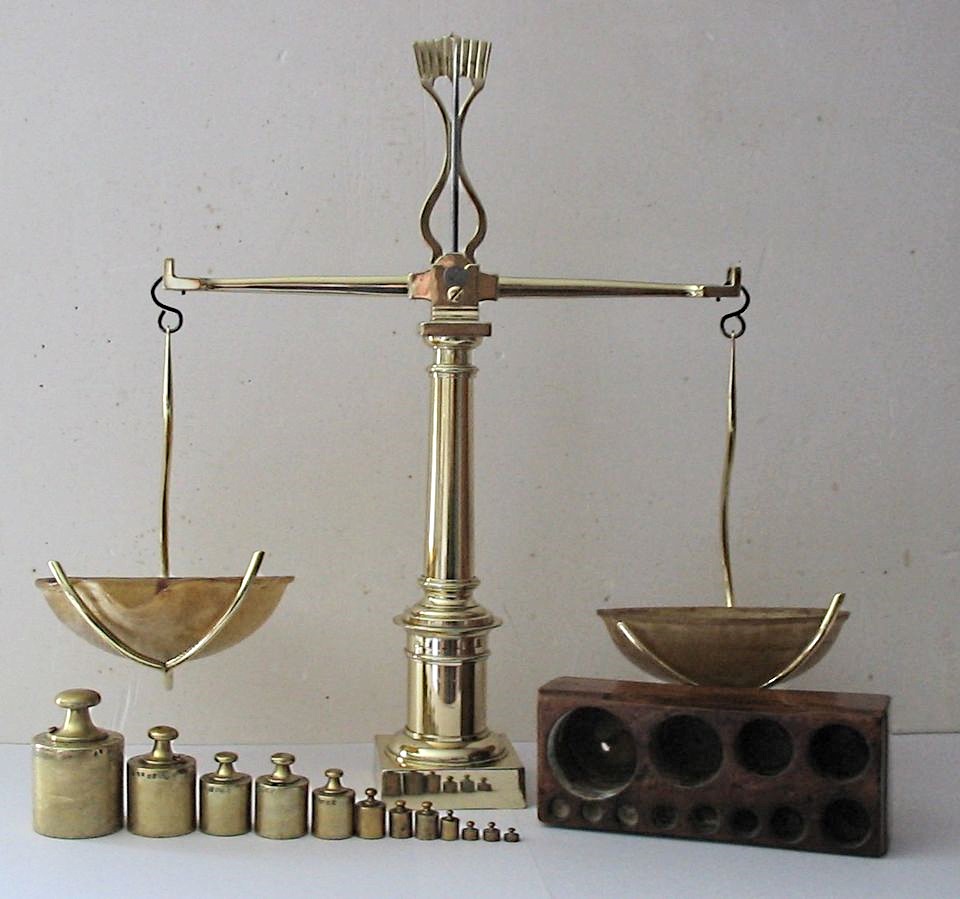 Like many people, I have been wishing for more balance in my life recently. The political and social worlds seem chaotic and heartbreaking. I spend many days chasing after deadlines that I am not sure I care much about. I would like to spend my time in other ways, ways that feel more refreshing and energizing rather than draining and worrisome. For the first time I'm beginning to miss deadlines, which is a clear indication that I've taken on more projects than I can accomplish. I need to learn to say "no" to some things, but that is not a skill I have ever had. How can I put things back into balance?
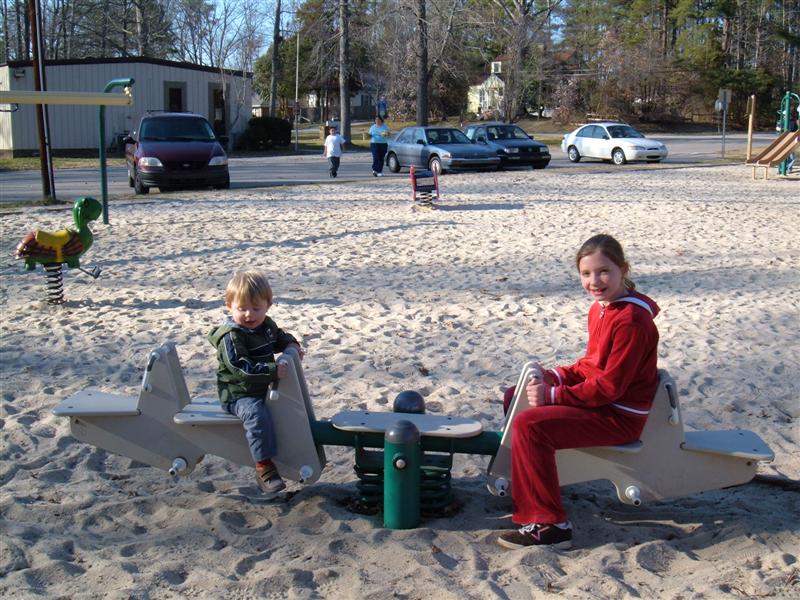 Recognizing the dynamic nature of balance can help to answer the first question - where should we start? Many times we think we need to give something up or gain something special before we can balance our lives, but that thinking stems from the idea that balance is stability. We are thinking about a physical balance, like a see-saw. We need to move something off of our side to make it balance in the middle, or we need to get something on the other side. Yet, even if we did give something up to make this side lighter, we would never achieve stability where the see-saw didn't move.